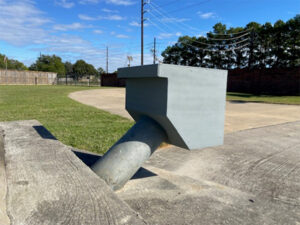
“Your Well, Everyone’s Water.”
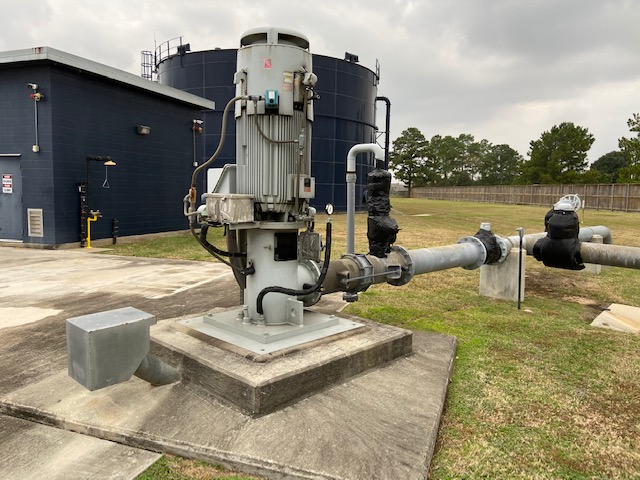
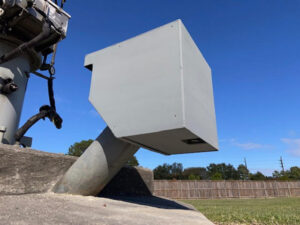
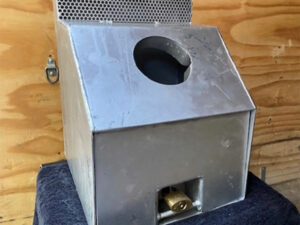
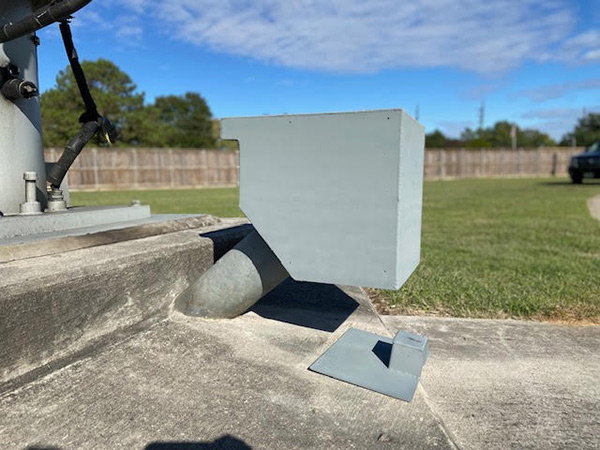
Secure your Well with SafeTvenT
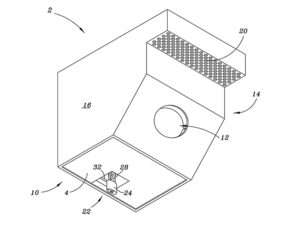
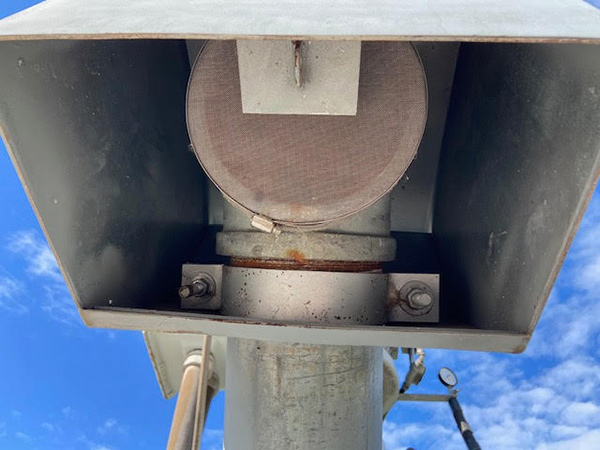
Our job is to protect your well and the aquifer. With this lockable enclosure, it includes a carbon steel locking mechanism to be disposed on the well vent. Our goal is to eliminate this vulnerable vent access that leads directly to the aquifer, which is your source of groundwater. For more information please contact us.
Why protect the Integrity of your Aquifer?
Groundwater pollution, also called groundwater contamination, occurs when pollutants are released to the ground and make their way down into groundwater. The pollutant often creates a contaminant plume within an aquifer. Movement of water and dispersion within the aquifer spreads the pollutant over a wider area. Its advancing boundary, often called a plume edge, can intersect with groundwater wells or daylight into surface water such as seeps and springs, making the water supplies unsafe for humans and wildlife. The movement of the plume, called a plume front, may be analyzed through a hydrological transport model or groundwater model. Analysis of groundwater pollution may focus on soil characteristics and site geology, hydrogeology, hydrology, and the nature of the contaminants.
Pollution can occur from on-site sanitation systems, landfills, effluent from wastewater treatment plants, leaking sewers, petrol filling stations or from over application of fertilizers in agriculture. Using polluted groundwater causes hazards to public health through poisoning or the spread of disease.
To prevent or reduce contamination, many wells use a surface seal. Deeper wells are commonly cased after the driving or drilling process is complete. This creates an impermeable seal from the surface to the next confining layer that keeps contaminants from traveling down the outer sidewalls of the casing or borehole and into the aquifer. The well and/or the well casing creates communication between the surface and the water within an aquifer at depth. Wells are typically capped with either an engineered well cap or seal that vents air through a screen into the well, but keeps insects, small animals, and unauthorized persons from accessing the well.
The access to the aquifer created by the well creates a direct route for contaminates to the heart of an aquifer and the use of the well can directly cause the scattering of any contaminates introduced through the well. As such, securing a well at the surface from ill willed terrorists/pranksters/criminals should be paramount. However, it is often not considered by the controller of the well. A need exists for securing the surface components of a well, including the well vent.
What is an Aquifer
Aquifers are underground layer of water-bearing permeable rock, rock fractures or unconsolidated materials. Aquifers are both permeable and porous and include such rock types as sandstone, conglomerate, fractured limestone and unconsolidated sand and gravel. Groundwater is primarily precipitation that has infiltrated the soil beyond the surface and collected in empty spaces underground.
The water in an aquifer most often begins as rain or snow melt that seeps into the ground. The amount of water that makes its way to the aquifer varies widely from place to place depending on the type of surface and underlying soils. Once underground, water will continue to be pulled downward until it reaches an impermeable layer of rock. The movement of water through small pores and the spaces between rocks acts as a natural filtering process, purifying the water and removing sediment. Sooner or later water will eventually leave the aquifer and need to be replenished through a process called “recharge”.
After entering an aquifer, water moves slowly toward lower lying places and eventually is discharged from the aquifer from springs, seeps into streams, or is withdrawn from the ground by wells. Wells can be hand-dug, driven, or drilled. The pumping of wells can have a great deal of influence on water levels and water flow below ground, especially in the vicinity of the well. If water is withdrawn from the ground at a faster rate that it is replenished, either by infiltration from the surface or from streams, then the water table can become lower, resulting in a “cone of depression” around the well. Depending on geologic and hydrologic conditions of the aquifer, the impact on the level of the water table can be short-lived or last for decades, and it can fall a small amount or many hundreds of feet. For example, excessive pumping can lower the water table so much that the wells no longer supply water.